What Demo Mode Actually Shows You (and What It Hides)
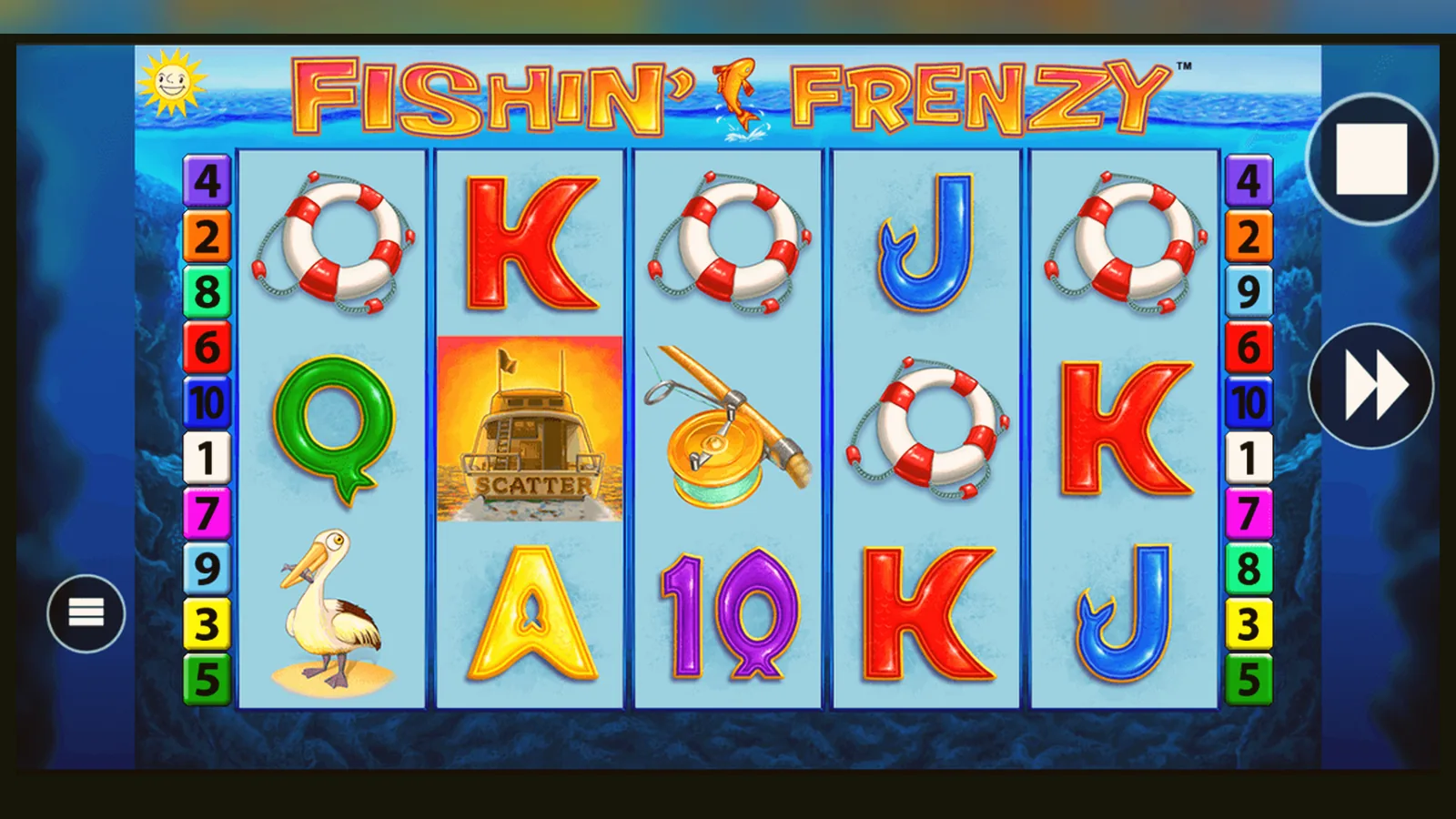
You click «Play for Free» and the reels load with a £500 demo balance. The stake selector runs from £0.10 to £5.00, the Fish symbol flips into the bonus on spin 47, and after twenty minutes you're up £180 in pretend money. The demo feels real because the math is real—same RTP, same volatility, same bonus frequency—but the moment you try to cash out, the screen asks for a passport and a debit card in your own name.
Demo mode on UKGC-licensed sites is a test drive with the real engine but no keys to the payout. It shows you the bet range you'll face under the £5 stake cap, the pace of the bonus, and whether the hit frequency suits your bankroll. It hides the KYC queue, the affordability checks that start from £150 net deposits a month, and the fact that your first withdrawal will take 24–48 hours while the operator verifies your documents. This page walks through what the demo teaches, what it leaves out, and how much it costs to switch to real money without burning through your first deposit.
Where the Demo Runs and Whether You Need an Account
Most UKGC-licensed operators offer Fishin' Frenzy in demo mode, but access rules vary. Some sites show the «Play for Free» button on the game page without asking for a login; you click it and the demo loads in your browser with a £500 or £1,000 pretend balance. Others hide free play behind the age gate—you create an account, upload a photo ID or passport, and only then can you access the demo. The logic: the Gambling Act requires operators to prevent under-18 access to gambling content, and some interpret that to include free-play modes that simulate real money wagering.
If you're logged out and the demo button is greyed out, registration is compulsory. The sign-up flow asks for your name, date of birth, address, and a debit card or PayPal account in your own name—credit cards have been banned for gambling since 2020. The operator cross-checks your details against credit-reference databases and the UKGC register; if you're on GAMSTOP, the self-exclusion scheme that blocks every licensed site for six months to five years, the account won't open. The upside: once you're verified, the demo is instant, and if you decide to deposit later, you've already cleared the KYC queue.
On mobile, the demo runs in the browser or through the operator's web app—both Google Play and the App Store allow real-money gambling apps from UKGC-licensed operators, but most sites serve Fishin' Frenzy as an HTML5 game that works on any device without a download. You tap the game tile, wait three seconds for the reels to load, and the demo balance appears in the top-right corner. The stake controls sit at the bottom, the paytable opens with a «?» icon, and every spin runs at the same speed as real money. No separate APK, no modded version, no «original demo»—just the licensed build with a balance that resets when you refresh the page.
What a Demo Session Looks Like: Bet Range, Pace, and the Numbers That Matter
The demo uses the same bet range as real money: £0.10 to £5.00 per spin, with the £5.00 cap enforced by UKGC rules for all players and a £2.00 cap for anyone aged 18–24. You pick your stake from the dropdown—£0.10, £0.20, £0.50, £1.00, £2.00, £5.00—and the game locks the others if you're under 25. The reels spin at the same frequency as the live version: around 3–4 seconds per spin if you tap manually, faster if you hold the autoplay button. The demo balance drains at the same rate as a real bankroll, so if you're betting £1.00 and the base game pays £0.30 every six spins on average, you'll watch £70–£100 disappear in ten minutes without a bonus.
The RTP of 96.00% and the medium volatility carry over exactly—there's no «demo RTP» that inflates your wins to lure you into depositing. If the bonus lands every 100–150 spins in real money, it lands at the same frequency in demo. If a £1.00 stake produces a £40 bonus on average, the demo shows the same distribution. The difference is that you can't withdraw the £180 you won in twenty minutes, and the pretend balance resets to £500 the moment you refresh the page. That reset is the clearest signal that demo money isn't connected to real liquidity—no withdrawal queue, no KYC, no tax-free winnings, just a number that vanishes when the session ends.
Which Numbers Are Real and Which Ones Disappear
The maths engine in demo mode is identical to the live game: same RNG, same paytable, same bonus logic. The RTP of 96.00% means that for every £100 wagered across millions of spins, the game returns £96.00 in winnings, and that percentage doesn't change when you switch to real money. The volatility—how often you hit a win and how large it is—stays constant. If you run 200 demo spins at £1.00 and see three bonuses worth £35, £52, and £18, you're looking at the real hit frequency and payout range. The game doesn't rig the demo to make bonuses land more often or pay bigger; the long-term average is the same whether the stake is pretend or paid.
| Metric | Demo | Real Money |
|---|---|---|
| RTP | 96.00% | 96.00% |
| Volatility | Medium | Medium |
| Bet Range | £0.10–£5.00 | £0.10–£5.00 (£2.00 for 18–24) |
| Bonus Frequency | ~1 in 100–150 spins | ~1 in 100–150 spins |
| Balance Persistence | Resets on refresh | Tracks across sessions |
| Withdrawal | Not available | KYC + 24–48 h processing |
| Affordability Checks | None | From £150 net deposits/month |
The numbers that disappear: your pretend balance, any «winnings» counter, and the illusion that you can spin indefinitely without risk. In real money, a £100 deposit at £1.00 per spin gives you roughly 100 spins if you hit no wins, fewer if variance runs cold, more if you catch a bonus. The demo lets you run 500 spins with no consequence, so you never feel the bankroll pressure that shapes real decisions—when to stop, when to lower the stake, when to walk away. The demo also hides the withdrawal friction: the 24–48 hours it takes to verify your passport or driving licence before the first payout, the fact that e-wallets are fastest (a few hours to 24 hours) while debit-card withdrawals take 1–3 working days, and the affordability checks that start from £150 in net deposits per month and escalate if you deposit more.
What the Demo Hides: KYC, Bonus Wagering, and the Real Cost of Entry
The demo screen doesn't show the queue that starts the moment you deposit. Every UKGC-licensed operator runs age and identity checks before you can fund an account—name, address, date of birth cross-referenced against the electoral roll and credit-reference databases—and full document verification before the first withdrawal. You upload a passport or driving licence, a recent utility bill or bank statement, and sometimes a selfie holding the ID. The operator's compliance team reviews the documents within 24–48 hours; until they approve, your winnings sit in the account balance but can't be moved to your bank.
If you claim a welcome bonus—common examples include 50 free spins on Fishin' Frenzy or a 100% match up to £100—the demo won't mention the wagering requirement. A 35× wager on a £100 bonus means you need to spin through £3,500 in bets before the bonus converts to withdrawable cash, and only the bonus amount counts, not the deposit. If you deposit £100, claim the £100 bonus, and start with £200, you still need to wager £3,500 of the bonus money, and the game contribution is usually 100% for slots but 0% for table games. The demo balance doesn't track wagering progress, doesn't cap your bet to avoid voiding the bonus, and doesn't show the 28-day expiry that most bonuses carry.
- KYC documents required: passport or driving licence, proof of address, sometimes a selfie; review takes 24–48 hours
- First withdrawal is the slowest: e-wallets in a few hours to 24 hours, bank transfers 1–3 working days, after documents clear
- Affordability checks from £150 net deposits per month: the operator uses credit-reference data at the first stage, may ask for bank statements or payslips if deposits continue to rise
- Bonus wagering is always present: a 35× requirement on a £100 bonus means £3,500 in spins before you can withdraw, and the demo doesn't simulate that friction
Demo on a Phone: Same Game, Smaller Screen, No Extra Steps
Fishin' Frenzy runs in demo mode on any phone without a download. You open the operator's site in Safari, Chrome, or the web app, navigate to the game page, and tap «Play for Free». The HTML5 build scales to the screen: the reels shrink to fit portrait or landscape, the stake controls move to the bottom edge, and the balance counter sits in the top-right corner. The spin button is thumb-sized, the paytable opens with a tap, and the autoplay menu lets you queue 10, 25, 50, or 100 spins. If the site requires age verification before showing the demo, you'll sign in first, but once you're past the gate, the mobile demo is instant.
The demo balance behaves the same way as on desktop: it resets when you close the browser tab or switch to another game, and it doesn't sync across devices. If you start a session on your laptop with £500, run it down to £320, and then open the game on your phone, the balance resets to £500 again. That lack of persistence is intentional—demo mode is a sandbox, not a saved state. The only number that persists is your real-money balance if you're logged into a funded account, and that balance sits separately in the cashier, never mixed with demo money.
On mobile, the demo shows you whether the game fits your play style when you're commuting or waiting. If the reels feel cramped on a 6-inch screen, or the stake buttons are too small to hit accurately, you'll know before you deposit. If the bonus sequence—the fishing net animation and the prize reveal—takes 15 seconds and you're trying to play on a train with patchy signal, the demo gives you a realistic preview of the friction. The game doesn't run faster or slower in demo; the server tick rate is the same, so a 200-spin session takes the same ten minutes whether you're on a phone, tablet, or desktop.
The Lowest-Risk Way to Switch to Real Money (and What It Costs)
If the demo convinced you to deposit, the lowest-risk approach is to start with the minimum stake and a small bankroll. Deposit £20 using a debit card, PayPal, or Open Banking—credit cards are banned—and bet £0.10 per spin. At that stake, £20 gives you 200 spins if you hit no wins, enough to see whether the bonus lands in your session or whether the base game drains your balance before you reach the free spins. If you lose the £20, you've spent less than a cinema ticket to learn whether the game suits your risk tolerance. If you hit a £15 or £30 bonus and cash out, you've tested the withdrawal process and confirmed that the operator pays.
- Deposit the smallest amount the site allows—usually £10 or £20—and avoid claiming a welcome bonus on the first deposit; bonuses lock your balance behind wagering requirements, and the first session should be a clean test.
- Set a deposit limit in the account settings before you fund: £20 per day, £50 per week, or whatever ceiling keeps the experiment affordable; UKGC operators must offer deposit limits, and once set, they can't be raised for 24 hours.
- Bet at the low end of the range—£0.10 or £0.20—so you get 100–200 spins from a £20 deposit; medium volatility means long dry spells, and a higher stake burns through the bankroll before the bonus has a chance to land.
- Play the session through, track the results, and withdraw if you finish ahead; if you win £10 on a £20 deposit, request the £30 payout to test the KYC process and withdrawal speed, even if it takes 48 hours—the friction is part of the real cost.
- If the session goes negative, stop at the deposit limit and wait 24 hours; the compulsion to chase losses is where bankrolls evaporate, and the demo never simulates that psychological pressure.
The real cost of switching includes the KYC wait, the affordability check that starts from £150 in net deposits per month, and the risk that your first session is a losing one. The demo can't prepare you for the feeling of watching £20 disappear in twelve minutes because the bonus didn't land, or the relief when a £40 payout clears and you realise the operator actually pays. The lowest-risk path is to treat the first deposit as tuition—money spent to learn whether the game's real-money behaviour matches what the demo promised—and to walk away if the numbers don't align.
FAQ
Can I play Fishin' Frenzy in demo mode without creating an account?
Some UKGC-licensed sites let you click «Play for Free» and load the demo without a login, while others hide free play behind the age gate and require you to register, upload ID, and verify your age before accessing the demo. If the demo button is greyed out, registration is compulsory. The logic: the Gambling Act requires operators to prevent under-18 access to gambling content, and some sites interpret that to include demo modes that simulate real wagering. Once you're verified, the demo is instant, and if you deposit later, you've already cleared the KYC queue.
Does the demo use a different RTP or make bonuses land more often to attract deposits?
No. The demo runs the same maths engine as real money: 96.00% RTP, medium volatility, and a bonus frequency of roughly one free-spins round every 100–150 spins. The RNG doesn't inflate wins or rig the bonus to land more often in demo. If you run 200 spins at £1.00 and see three bonuses worth £35, £52, and £18, that's the real hit frequency and payout range you'll face when you deposit. The only difference is that you can't withdraw the pretend winnings, and the balance resets to £500 or £1,000 when you refresh the page.
What does the demo hide about withdrawals and KYC?
The demo doesn't show the 24–48-hour document review that happens before your first withdrawal, the fact that e-wallets are fastest (a few hours to 24 hours) while debit-card payouts take 1–3 working days, or the affordability checks that start from £150 in net deposits per month. You'll upload a passport or driving licence, proof of address, and sometimes a selfie, and the operator's compliance team reviews the documents before releasing your winnings. The demo also hides bonus wagering—if you claim 50 free spins or a 100% match, you need to wager the bonus amount 35 times before you can withdraw, and the demo balance doesn't track that requirement.
What's the lowest-risk way to switch from demo to real money?
Deposit £10 or £20 using a debit card or PayPal, skip the welcome bonus on the first deposit to avoid wagering requirements, and set a deposit limit before you fund—UKGC operators must offer daily, weekly, and monthly caps, and once set, they can't be raised for 24 hours. Bet £0.10 or £0.20 per spin so you get 100–200 spins from the deposit, play the session through, and withdraw if you finish ahead to test the payout process. If you lose the deposit, you've spent less than £20 to learn whether the game suits your risk tolerance, and you've avoided the bankroll damage that comes from chasing losses at higher stakes. Treat the first deposit as tuition—money spent to see whether real-money behaviour matches the demo—and walk away if the friction or the variance feels wrong.